
What intelligence machines or analytical tools cannot do in the 21st century!
feel free to call us 714-488-5927 info@jofdt.com
-
The Real estate industry from 1990’s to the present
Editor-In-Chief, , Collaborative Management, Disruptive Tech, Leadership, News, Real Estate, Social, Evolving real estate, 0
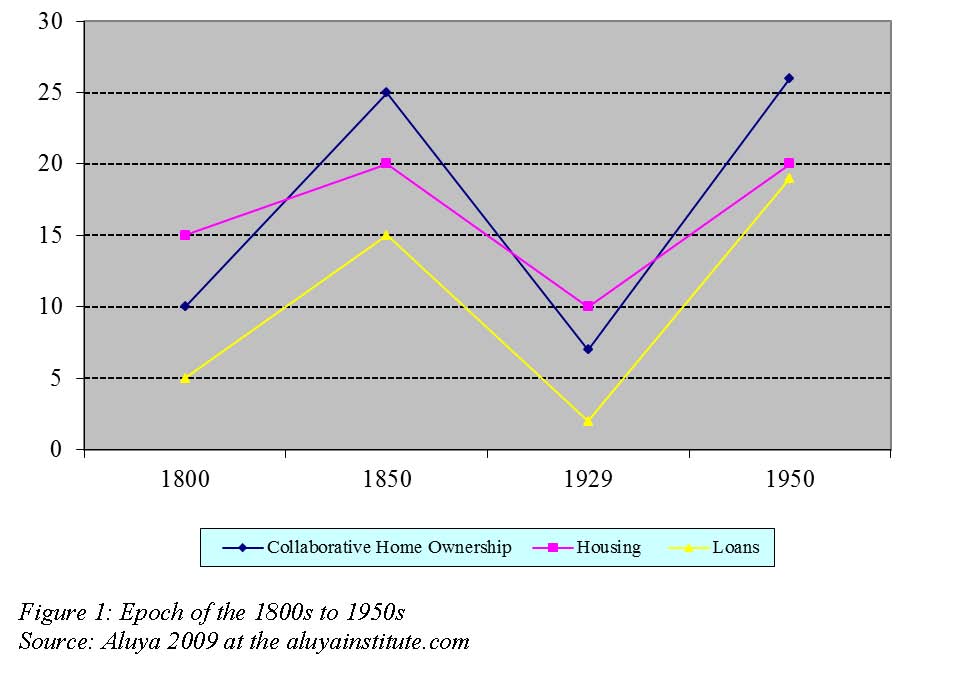
Following this thread from the previous posting, it explicitly explained the historicity of the real estate industry from 1800’s...
-
Why giant technology companies are bubbled up, acquired, or get busted up!
Editor-In-Chief, , Collaborative Management, Disruptive Tech, Leadership, Disruptive Technologies and Leadership, 0
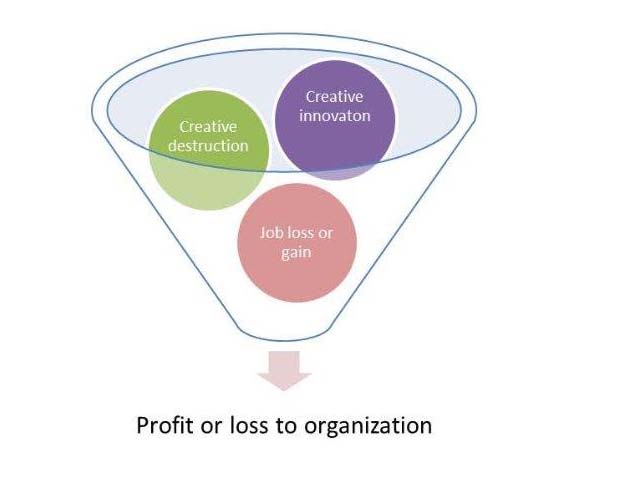
Fundamentally, what went wrong with companies like Kodak, Nokia, Ericsson and other similar companies were not new to the...
-
What intelligence machines or analytical tools cannot do in the 21st century
Editor-In-Chief, , Disruptive Tech, Intelligent Machines, Leadership, 0
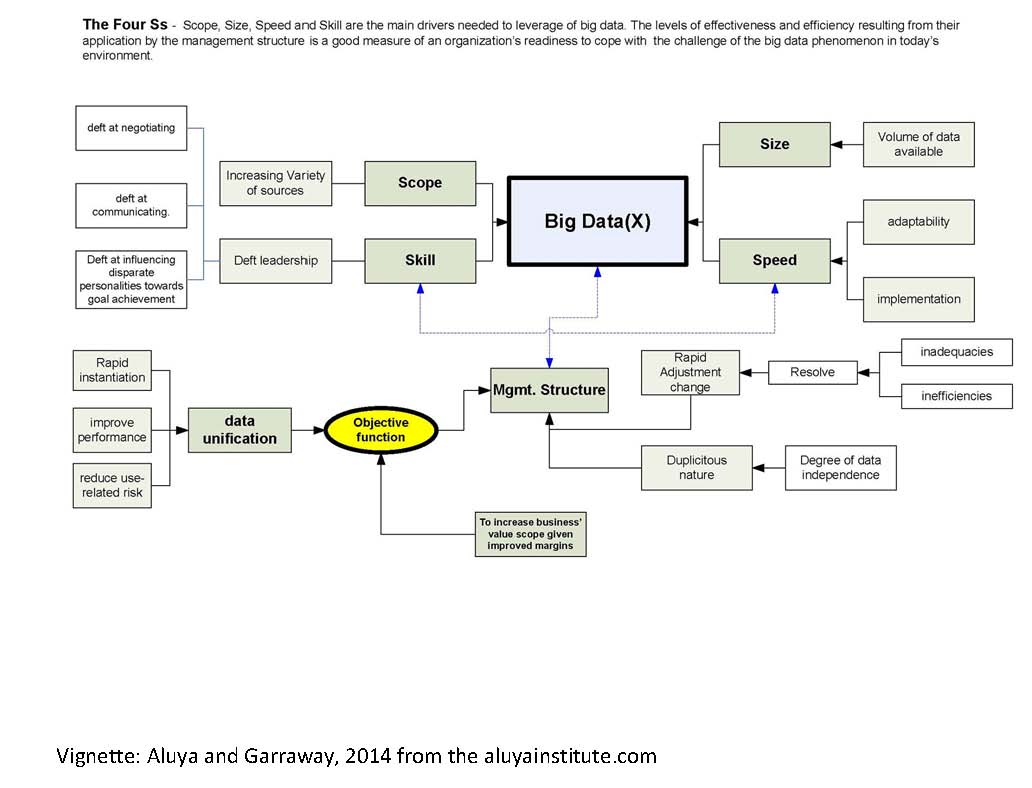
In the 21st century, enterprises have been discovering ways to use data to gain more business value; unifying intuition...
-
The Influence of Organizational Culture on the Adoption of ICT Innovation following Technological Disruption: Evidence from Kenyan ICT SMEs
Editor-In-Chief, , Collaborative Management, Disruptive Tech, ICT, Organizational Culture, SMEs, 0
The Influence of Organizational Culture on the Adoption of ICT Innovation following Technological Disruption: Evidence from Kenyan ICT SMEs...
-
Journal of Disruptive Technology Conference in California
Editor-In-Chief, , Alternative Energy, Big Data, Biofuels, Call for Papers, Collaborative Management, Disruptive Tech, Intelligent Machines, Leadership, Organizational Culture, Prescriptive Analysis, Big data, disruptive technologies, Disruptive Technologies and Leadership, 0
Dear Colleagues, We are inviting you to submit your valuable organic research work on disruptive technology that has changed...
-
Why Hewlett-Packard and Yahoo are laying employees off?
Editor-In-Chief, , Disruptive Tech, Disruptive Technology and leadership, 0
Modular changes to radical platforms were disruptive to technologies. This paper tends to explain that technological changes have had...
-
Historical and narrative of big data and its significant meaning to businesses
Editor-In-Chief, , Collaborative Management, Disruptive Tech, Intelligent Machines, Leadership, Historical trend of big data, 0
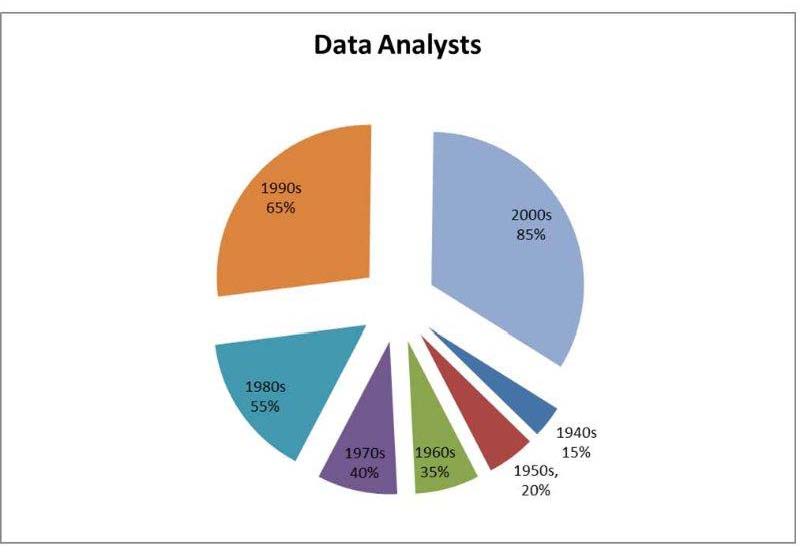
Beginning at the first half of the twentieth century, companies revisited the 1940’s strategy pioneered by Robert McNamara....
-
Call for Papers – May 2026 Issue
Editor-In-Chief, , Alternative Energy, Biofuels, Call for Papers, Collaborative Management, Disruptive Tech, Intelligent Machines, Leadership, Organizational Culture, Philosophy, Real Estate, Social, 0
Dear Colleagues, I, the Editor-in-Chief for the Journal of Disruptive Technology (JOFDT), a multidisciplinary peer-reviewed journal, invites you to...
Recent Posts
- Call for Papers – May 2026 Issue
- Publications for Special Edition Issue, June, 2025
- Phenomenon of Leadership Failure: An Exploration to Determine the Significance of Moral Action for a Sustainable Leadership ~Kenneth-Maxwell Nance~Maxwell Leadership Institute
- The Influence of Organizational Culture on the Adoption of ICT Innovation following Technological Disruption: Evidence from Kenyan ICT SMEs
- Artificial Intelligence Machines or Robots Could Regard Humans as Threats to Their Existence
Recent Comments
Archives
Categories
About JOFDT
As a benchmark, the Journal of Disruptive Technology (JODT) seeks to improve submissions prior to approving their publication. Our peer-reviewed process reflects the necessary rigor and scrutiny needed to bring forth the submission’s essence. Such submissions should be novel and substantial. Since our distribution is global, our reviewers follow guidelines that are thorough and rigorous. In addition, each submission has a dedicated quantitative and/or qualitative review, and unnecessary delays to the submission’s publication are kept to a minimum. It is our practice to circulate galley proofs prior to final submission and each manuscript is printed with the submission date, the revision date, and an acceptance date. While the traditional operational functions of the journal include peer review, editing, and final proof.